




 Locations
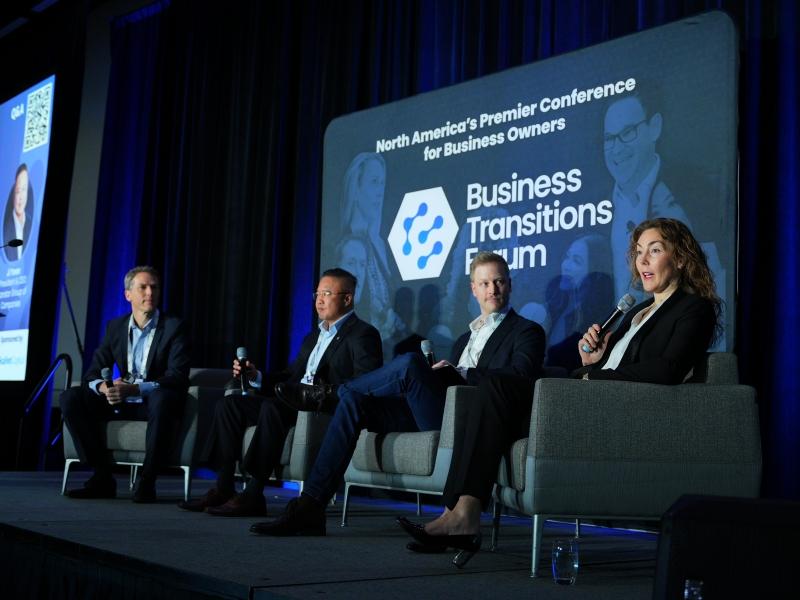





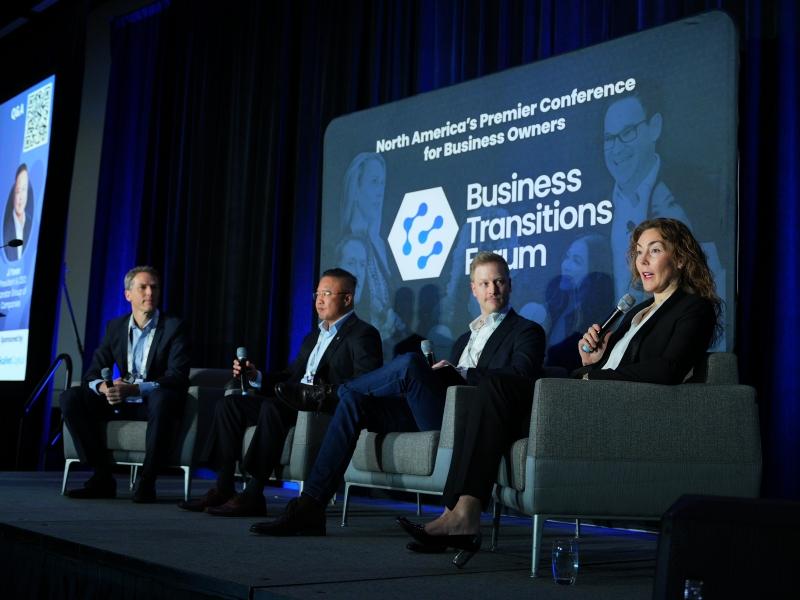
Artificial intelligence (AI) is changing how businesses are bought, sold and staffed, according to speakers at a Vancouver conference focused on mergers and acquisitions.
The Business Transitions Forum took place Nov. 18 at the Vancouver Convention Centre, bringing together entrepreneurs and business leaders to discuss opportunities and challenges in starting, growing, buying and selling companies. Cube Business Media produced the event.
Daniel Hinz, director of capital advisory at business advisory firm Baker Tilly Canada, said buyers are increasingly using AI for document preparation, answering questions, due diligence, financial analysis and other tasks.
AI tools are helping teams like his become more efficient when performing checks and balances, but humans remain the authors of key intelligence or advisory material they produce for M&A clients, Hinz said.
Both buyers and sellers are using AI tools in the business acquisition process, panelist Ji Yoon, president and CEO of Canstar Group of Companies, said.
There is a staggering amount of data that must be prepared, and AI tools can help facilitate, accelerate the arrangement of that data. "It has a strong benefit," according to Yoon, whose restoration company has acquired five businesses.
Deal-makers are also using AI to identify trends, flag potential problems and independently analyze data. Sometimes those findings can raise concerns or complicate negotiations, Yoon said, emphasizing the importance of ensuring financial, accounting and other data is accurate and reliable.
Yoon added that AI has yet to appropriately replace the human sense of professional skepticism, operational due diligence and other human factors central to assessing a company.
Legal clients still lack trust in AI
Kimberly Burns, a mergers and acquisitions lawyer with Dentons in Vancouver, said clients' attitudes toward AI could change significantly over the next year.
Currently, "there's no trust," among their clients in AI, she said on a panel, explaining that her company uses four different intelligence tools to review the legal elements of business sales for their clients.
Burns said she will run the deal items through the AI platforms looking for accuracy, consistency, comparisons and flaws among them, and between them.
She asks each client whether they are satisfied with the results or would also like a final review by a human lawyer. "Everyone wants it checked — and they don't want it spot checked — they want it checked by a lawyer, by a human, absolutely every time," Burns said.
”Ask me next year if people stop saying that,” Burns said. “But right now, there's no trust in it. It's a system; it produces good results, or we've got it to the point where it can produce good results."
AI also changing the hiring process
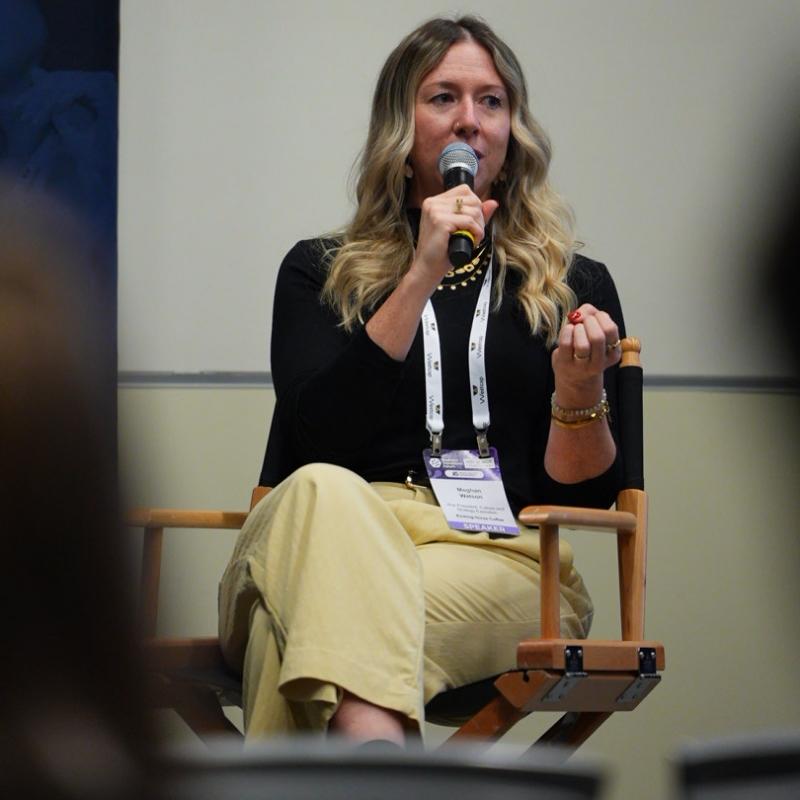
AI is also creating tension between employers and job applicants, as the technology reshapes how candidates apply for jobs and how companies evaluate them.
Meghan Watson, vice-president of culture and strategy at Invermere, B.C.-based Kicking Horse Coffee, said its approach has been a slow shift toward using AI tools for the early stage of the hiring process.
"We are such a human-focused organization," Watson told PeopleNX on the sidelines of a panel focused on how people and culture are driving enterprise value. Kicking Horse was acquired in 2017 by Italy-based Lavazza.
Watson said AI is not being used to intentionally shape company culture, but the company uses the tools to screen the large volume of applications it receives. She said entry-level roles generate many applications. "You literally cannot review them all. So that's probably where we're using it the most."
Watson said the 30-year-old coffee roasting company ultimately has a lengthy, multi-phase hiring process that culminates in a visit by the applicant to Invermere to meet the team, get to know the community and have a final dinner with leadership before a decision is made.
"We're still working with humans, and so you have to still have that human connection in the interview process to make sure that what you're getting is the real deal, and that they have their own thoughts, and that they can make their own decisions,” Watson said. “That's incredibly important."



 Industry Events
 Locations

